
The case in one line
In Panama you don’t endure the climate — you choose it. Within a single day you can go from warm Caribbean sand to a spring-cool mountain town where you sleep under a blanket. There is no winter, no heating bill, and roughly twelve hours of daylight every day of the year. For someone leaving a grey European winter, that is the whole story.
One country, no winter
Panama sits just 9 degrees north of the equator, so it has no spring–summer–autumn–winter cycle. Instead there are two seasons: a dry season from roughly mid-December to April (the Panamanian “summer”) and a green season from May to mid-December, when short, warm afternoon showers keep everything lush.
Daytime temperatures barely move across the year. While much of Europe loses the day to 4 p.m. darkness and months of heating, here the sun rises near 6 a.m. and sets near 6:30 p.m. every month. What changes your temperature is not the calendar — it’s how high you live.
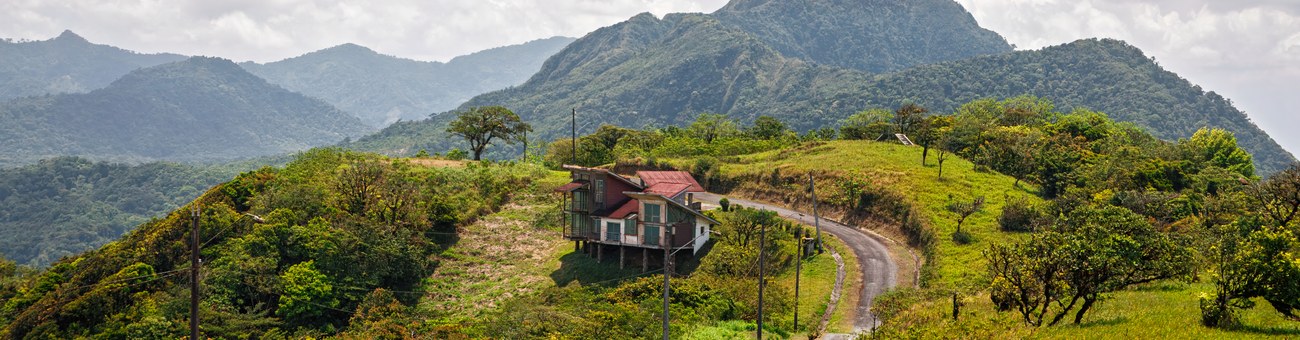
Choose your climate by elevation
Air cools by roughly 6 °C for every 1,000 m you climb, and Panama’s mountains sit close enough to the coast that you can pick your everyday temperature almost like a thermostat:
Two coasts, two moods
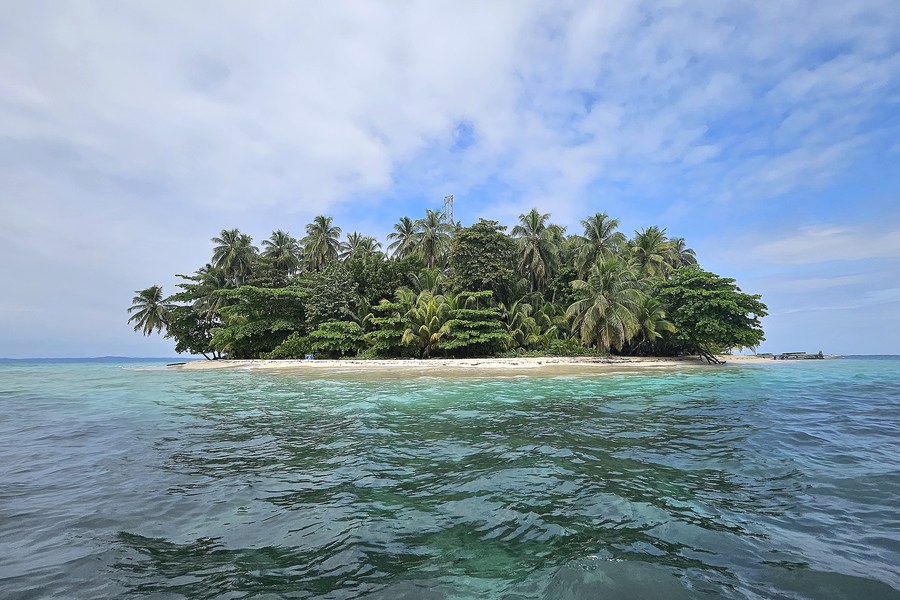
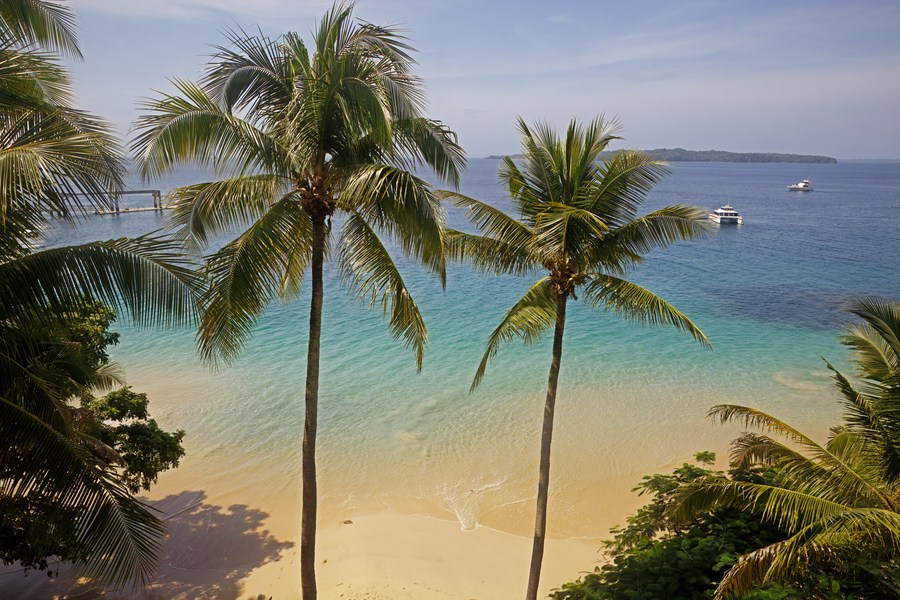
Panama is one of the few places on earth where the Pacific and the Caribbean are under two hours apart — so you can choose your sea, too.
 Caribbean side
 Pacific side
| Caribbean side | Pacific side | |
|---|---|---|
| Where | Bocas del Toro, Guna Yala (San Blas) | Pearl Islands, Coiba, Azuero, city beaches |
| Water | Calm, turquoise, coral reefs | Bigger tides, surf, open ocean |
| Rain | Wetter, green all year | Drier — the Azuero “Arco Seco” |
| Mood | Island, Afro-Caribbean, laid-back | Beach towns, surf, fishing |
Nature on your doorstep
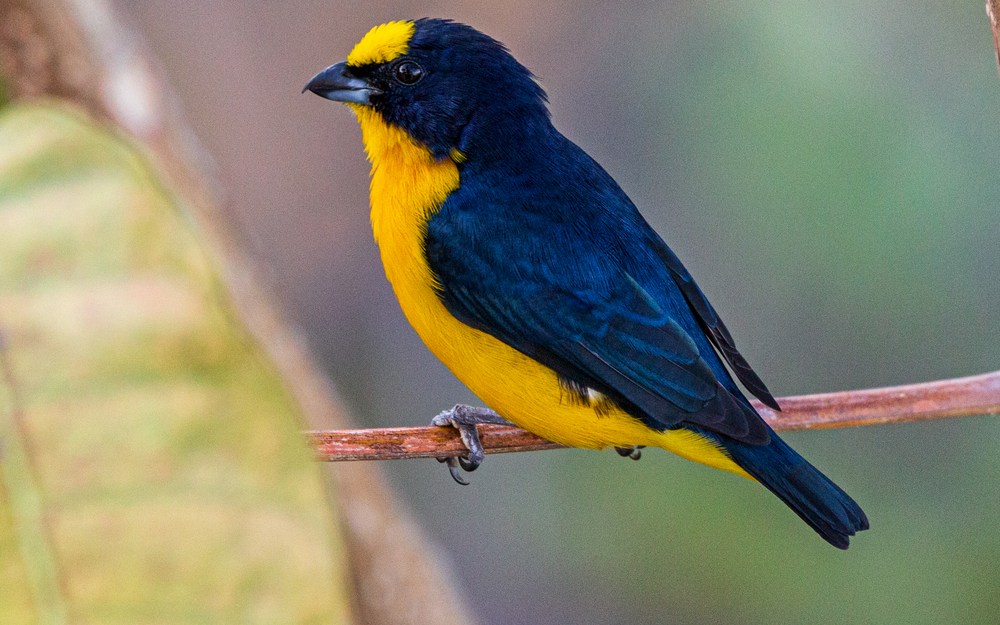
Panama is the land bridge between North and South America, so the wildlife of two continents meets here. It packs more than 1,000 bird species into a country smaller than Ireland — more than the United States and Canada combined — alongside howler monkeys, sloths, sea turtles and the resplendent quetzal of the highland cloud forests. You’re never far from a national park: the Soberanía rainforest is 40 minutes from the capital, Coiba is a UNESCO marine park, and from the summit of Volcán Barú, on a clear morning, you can see both oceans at once.
A weekend anywhere
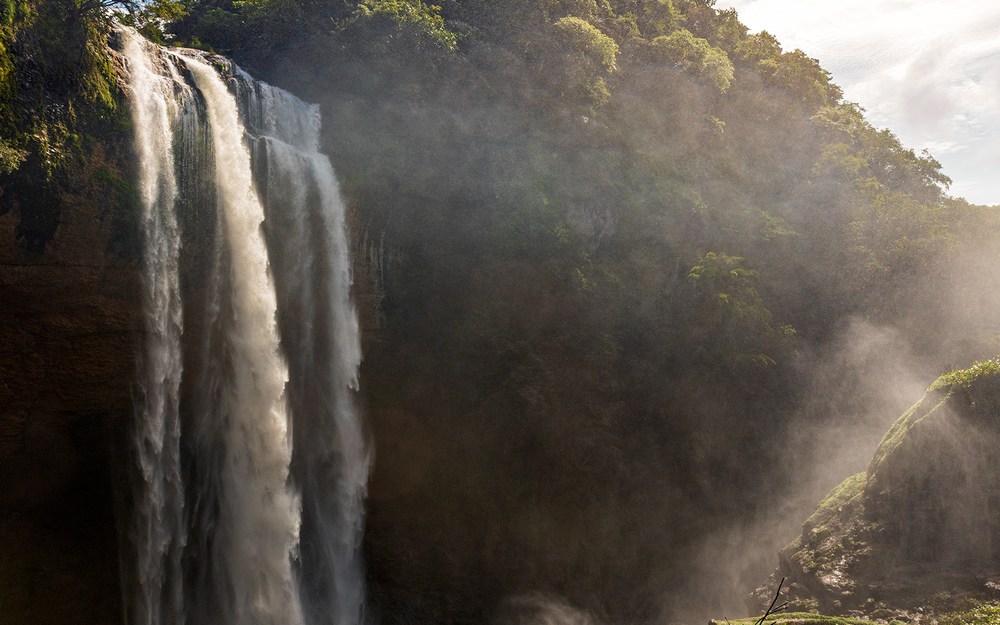
Because the country is small, all of it is a weekend away. From Panama City it’s about 1.5 hours to the Pacific beaches of Coronado, 2 hours to the spring air of El Valle, a 1-hour flight (or a scenic drive) to Boquete’s coffee highlands, and a short hop to the islands of Bocas del Toro or Guna Yala. You can surf on Saturday and watch quetzals in a cloud forest on Sunday.
- Boquete & Volcán — coffee farms, hiking, white-water rafting, eternal spring
- Bocas del Toro & Guna Yala — Caribbean islands, reefs, turquoise water
- El Valle de Antón — a town inside a volcanic crater, two hours from the city
- Pearl Islands & Coiba — Pacific diving, humpback whales, untouched beaches
- Volcán Barú — Panama’s highest peak; see two oceans at dawn
What it means if you’re moving
This is the part that changes daily life. You garden every month of the year, dry the laundry in the sun, and never buy a snow shovel or pay a heating bill again. You can choose beach heat or — like many European retirees and remote workers — the spring-cool highlands of Boquete and Volcán, where established communities already speak your language. And Panama’s Friendly Nations residency makes settling here straightforward for citizens of 50+ countries.
Honest notes
- Green season (May–December) brings warm afternoon showers — usually after sunny mornings, not all-day rain.
- At sea level it is humid; the highlands trade humidity for cooler, fresher air.
- The Caribbean side is noticeably wetter and greener than the drier Pacific.
- Highland nights are genuinely cool (10–16 °C) — pack a sweater; in Volcán you may want a fireplace.
- Panama sits below the main Atlantic hurricane belt and is very rarely hit by tropical storms — a quiet but real advantage over much of the Caribbean.
DM “PANAMA” · +507 6410-4364 · blockzerorealestate.com
Lifestyle information only. Temperatures and seasons are typical ranges and vary year to year. We connect you with licensed Panamanian relocation and real-estate advisors.

0 Comments